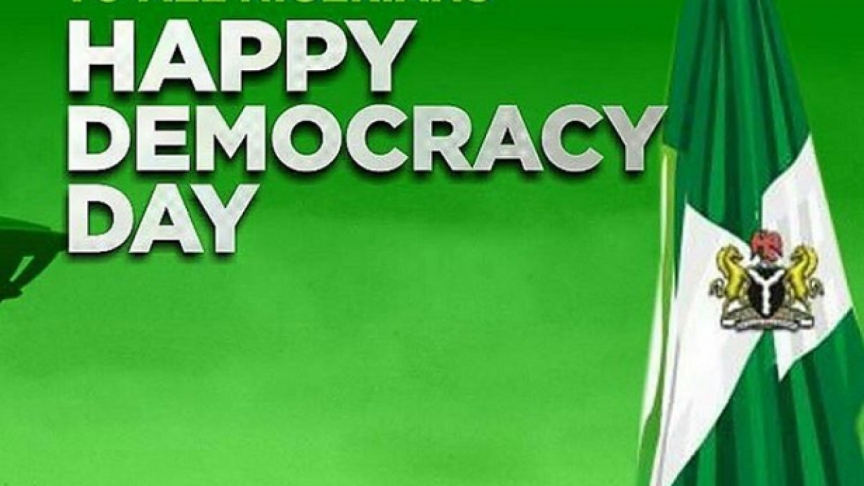
Democracy Day in Nigeria is more than just a public holiday — it is a powerful reminder of the nation’s long and determined struggle for civilian rule, democratic governance, and freedom of the people. Celebrated annually on June 12, this day commemorates the historic 1993 presidential election, widely regarded as Nigeria’s freest and fairest election, and pays tribute to the resilience of Nigerians in the face of authoritarian rule.
🕊️ What is Democracy Day in Nigeria?
Democracy Day is a national public holiday in Nigeria celebrated on June 12 every year. It marks the return of civilian democratic governance after decades of military regimes and authoritarian leadership. The day serves as a national reflection on the value of freedom, democratic participation, and the power of the people’s vote.
It is a day set aside to remember the sacrifices made by pro-democracy activists and citizens who stood up to military oppression to demand governance by the people, for the people.
📅 Why June 12?
Originally, Democracy Day was celebrated on May 29, the day the military handed over power to a democratically elected civilian government in 1999, marking the beginning of Nigeria’s Fourth Republic.
However, on June 6, 2018, former President Muhammadu Buhari officially moved the celebration to June 12 to honour the late Chief Moshood Kashimawo Olawale Abiola (M.K.O. Abiola) — the presumed winner of the 1993 election.
✅ Key Reasons for Choosing June 12:
-
June 12, 1993: Date of Nigeria’s freest and fairest election.
-
M.K.O. Abiola won the election but was denied office by the military regime of General Ibrahim Babangida.
-
The annulment sparked nationwide protests and led to significant unrest.
-
M.K.O. Abiola was later imprisoned by the Abacha regime and died in custody in 1998.
June 12 has since come to symbolize the people’s will, civic power, and hope for a better Nigeria.
🧭 History of Nigeria's Democratic Journey
🛡️ Pre-1999: Years of Military Rule
From 1966 until 1999, Nigeria was dominated by a series of military coups and authoritarian leaders. Civilian rule was sporadic and often short-lived. The struggle for democracy intensified in the late 1980s and early 1990s as civil society, students, journalists, and pro-democracy activists resisted military rule.
🗳️ 1993 Election & Annulment
-
The June 12, 1993 election was organized by the military under the transition program of General Babangida.
-
M.K.O. Abiola, running under the Social Democratic Party (SDP), won with wide national appeal.
-
The military government shockingly annulled the election results, citing “electoral irregularities.”
-
Widespread protests followed, and a crackdown on activists and media ensued.
🌄 1999: Transition to Civilian Rule
After years of civil resistance and the death of both Abacha and Abiola in 1998, General Abdulsalami Abubakar handed over power to Olusegun Obasanjo, a former military leader who became a civilian president on May 29, 1999 — originally declared as Democracy Day.
🎯 Significance of Democracy Day
-
Honoring Sacrifice: The day recognizes the sacrifices of heroes like M.K.O. Abiola, Kudirat Abiola, Gani Fawehinmi, and countless others.
-
Celebrating Civil Rule: It marks Nigeria's journey toward freedom of expression, free elections, and rule of law.
-
Promoting Civic Responsibility: Encourages participation in the democratic process, especially among the youth.
-
A National Reflection: Serves as a day to assess the progress and shortcomings of Nigeria's democratic journey.
-
National Unity: Despite ethnic, religious, or political differences, Democracy Day reminds Nigerians of a shared destiny.
🥁 How Democracy Day is Celebrated in Nigeria
Democracy Day is marked by a wide range of official and civic activities:
🎤 Presidential Address
The President of Nigeria delivers a national broadcast, highlighting democratic achievements and setting the tone for future governance.
🏛️ Public Lectures & Symposiums
Government institutions, civil society organizations, and universities hold panel discussions, history lessons, and debates on democratic governance.
🎭 Cultural Displays & Parades
In some states, parades, cultural performances, and children's marches take place to showcase national identity and unity.
🕯️ Remembrance Services
Tributes are paid to fallen heroes of democracy who died fighting for civil rights.
🧑🤝🧑 Civic Engagement Campaigns
NGOs and media use the occasion to promote voter education, accountability, and transparency in leadership.
🔍 Interesting Facts About Democracy Day
- M.K.O. Abiola used the campaign slogan: "Hope ‘93", symbolizing a new future.
- His campaign was notable for cutting across religious and ethnic lines — a rare feat in Nigeria.
- June 12 is now officially recognized as “Nigeria’s National Democracy Day.”
- Lagos and Ogun States initially recognized June 12 as a public holiday before the federal government adopted it nationwide.
📌 Democracy Day: Timeline at a Glance
- 1993 - M.K.O. Abiola wins June 12 election; results annulled
- 1994 - Abiola declares himself president; arrested and detained
- 1998 - Abiola dies in custody under suspicious circumstances
- 1999 - Nigeria returns to civil rule; May 29 adopted as Democracy Day
- 2018 - Federal Government officially changes Democracy Day to June 12
📚 Frequently Asked Questions (FAQs)
❓ When is Democracy Day in Nigeria?
Democracy Day is celebrated annually on June 12.
❓ Why was Democracy Day moved from May 29 to June 12?
The change was made to honor M.K.O. Abiola and the 1993 election — widely regarded as the most credible in Nigeria’s history.
❓ Is June 12 a public holiday in Nigeria?
Yes, June 12 is a national public holiday recognized by the Federal Government of Nigeria.
❓ Who was M.K.O. Abiola?
Moshood Kashimawo Olawale Abiola was a Nigerian businessman and politician believed to have won the annulled 1993 presidential election.
❓ How is Democracy Day different from Independence Day?
-
Democracy Day (June 12) celebrates Nigeria's transition to civilian rule.
-
Independence Day (October 1) marks Nigeria’s independence from British colonial rule in 1960.
📣 Final Thoughts
Democracy Day in Nigeria is a celebration of the people’s will, courage, and hope. It is a symbol of resilience — proof that the voice of the people cannot be silenced forever. As Nigeria continues to grow and evolve democratically, June 12 remains a rallying cry for freedom, justice, and good governance.
Let Democracy Day not just be a holiday but a call to action — to participate, to vote, to speak out, and to hold leaders accountable in the spirit of true democracy.