Home / Blog / Travel & Geography
South American Countries and their Capitals Listed in Alphabetical Order
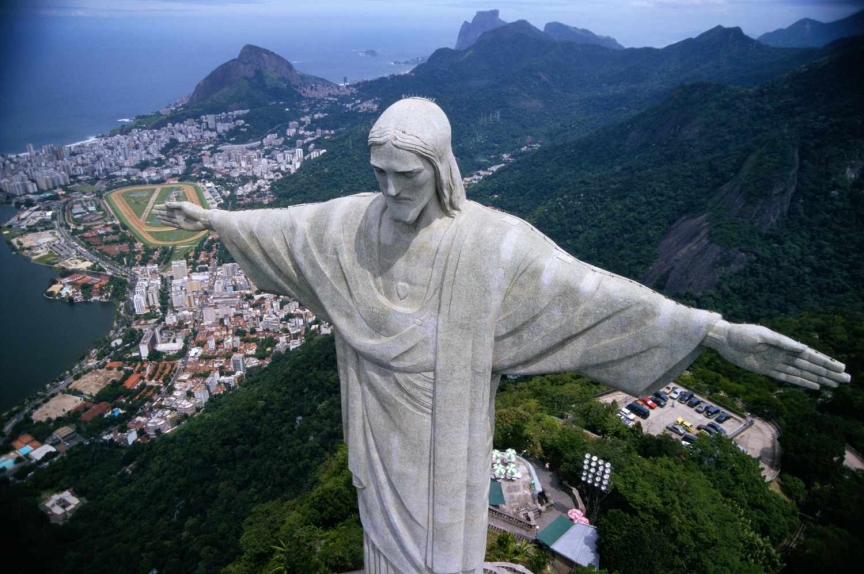
South America — a land of dramatic landscapes, vibrant cultures, and ancient wonders — is a continent that captivates the senses. From the towering Andes Mountains to the lush Amazon Rainforest, and from the colorful streets of Cartagena to the rhythmic beats of Rio de Janeiro, South America offers a unique blend of natural beauty, historical richness, and cultural depth.
Geographically located in the Western Hemisphere and mostly in the Southern Hemisphere, South America is home to 12 sovereign countries, each with its own capital that serves as a political, economic, and cultural hub. While the continent may not have as many countries as others, it holds an outsized place in global history, biodiversity, and tourism.
Whether you're a student studying geography, a traveler plotting your next adventure, or simply curious about world capitals, this article provides a complete alphabetical list of South American countries and their capitals.
List of South American Countries & Capitals in Alphabetical Order
- Argentina – Buenos Aires
- Bolivia – Sucre (constitutional capital), La Paz (seat of government)
- Brazil – Brasília
- Chile – Santiago
- Colombia – Bogotá
- Ecuador – Quito
- Guyana – Georgetown
- Paraguay – Asunción
- Peru – Lima
- Suriname – Paramaribo
- Uruguay – Montevideo
- Venezuela – Caracas
Frequently Asked Questions (FAQs) About South American Countries and Capitals
1. How many countries are there in South America?
There are 12 independent countries in South America.
2. Which is the largest country in South America by area?
Brazil is the largest, covering nearly half of the continent.
3. What is the smallest country in South America?
Suriname is the smallest sovereign country by area and population.
4. What is the capital of South America?
There is no single capital of South America since it's a continent, not a country. Each nation has its own capital.
5. Which South American capital is the highest above sea level?
La Paz, Bolivia, is the highest capital city in the world, sitting at about 3,650 meters (11,975 feet) above sea level.
6. What languages are spoken in South America?
Primarily Spanish and Portuguese, with Dutch, English, French, and many Indigenous languages also spoken.
7. Which country has two capitals?
Bolivia has two capitals: Sucre (constitutional) and La Paz (administrative/governmental).
8. What is the most populated capital city in South America?
Buenos Aires, Argentina, is among the most populous, followed closely by Bogotá and Lima.
9. Which South American country is not a Spanish-speaking nation?
Brazil (Portuguese), Guyana (English), Suriname (Dutch), and French Guiana (French — note: French Guiana is an overseas region of France, not an independent country).
10. Are all South American countries part of Latin America?
Most are, but Guyana, Suriname, and French Guiana are often not included in "Latin America" due to linguistic and cultural differences.
South America may be made up of just 12 countries, but each one offers a world of its own. With capitals nestled in mountains, sprawled along beaches, or rooted in rich colonial history, the continent is as diverse in its cities as it is in its landscapes. Whether you're learning for school, planning a visit, or expanding your global knowledge, knowing these countries and capitals is a great way to begin understanding the heart of South America.
From Caracas in Venezuela to Montevideo in Uruguay, every capital tells a story. Dive into South America's geography and discover the heartbeat of a continent full of passion, heritage, and natural beauty.