Biology questions and answers

Biology Questions and Answers

How well do you understand living things and their vital processes? Whether you are preparing for JAMB, WAEC, NECO and Post-UTME, these Biology past questions and answers cover such subjects as the chemistry of life, botany, evolution, genetics, ecology etc to help you know what to expect, improve your speed and confidence and be really prepared for the actual aptitude test.
3,036.

The thoracic cavity is separated from the abdominal cavity by a sheet of muscle called

A.

pleural membrane

B.

intercostal muscles

C.

diaphragm

D.

pericardium

E.

epiglottis

Correct answer is C

No explanation has been provided for this answer.

3,037.

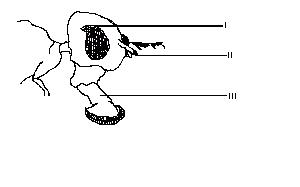
The structure labelled II is used for

A.

tasting

B.

feeling

C.

biting

D.

sucking

Correct answer is B

No explanation has been provided for this answer.

3,038.

Which of the following blood components has the greatest affinity for oxygen and carbondioxide?

A.

Blood plasma

B.

Leucocytes

C.

Thrombocytes

D.

Erythrocytes

E.

Lymphocytes

Correct answer is D

No explanation has been provided for this answer.

3,039.

The pulmonary artery carries

A.

deoxygenated blood from the right ventricles to the lungs

B.

oxygenated blood from the right ventricle to the lungs

C.

oxygenated blood from the left ventricles to the ventricles to the right auricle

D.

deoxygenated blood from the left ventricles to the right auricles

E.

oxygenated blood from the lungs to the right auricles

Correct answer is A

No explanation has been provided for this answer.

3,040.

Double fertilization is said to occur in flowering plants because?

A.

two embryos are formed

B.

one egg is fertilized twice

C.

two sperms fertilize each egg

D.

one embryo and endosperm nucleus are formed

E.

two sperms and two pollen grains are involved

Correct answer is D

This process involves joining a female gametophyte with two male gametes.

It begins when a pollen grain adheres to the stigma of the carpel, the female reproductive structure of a flower.